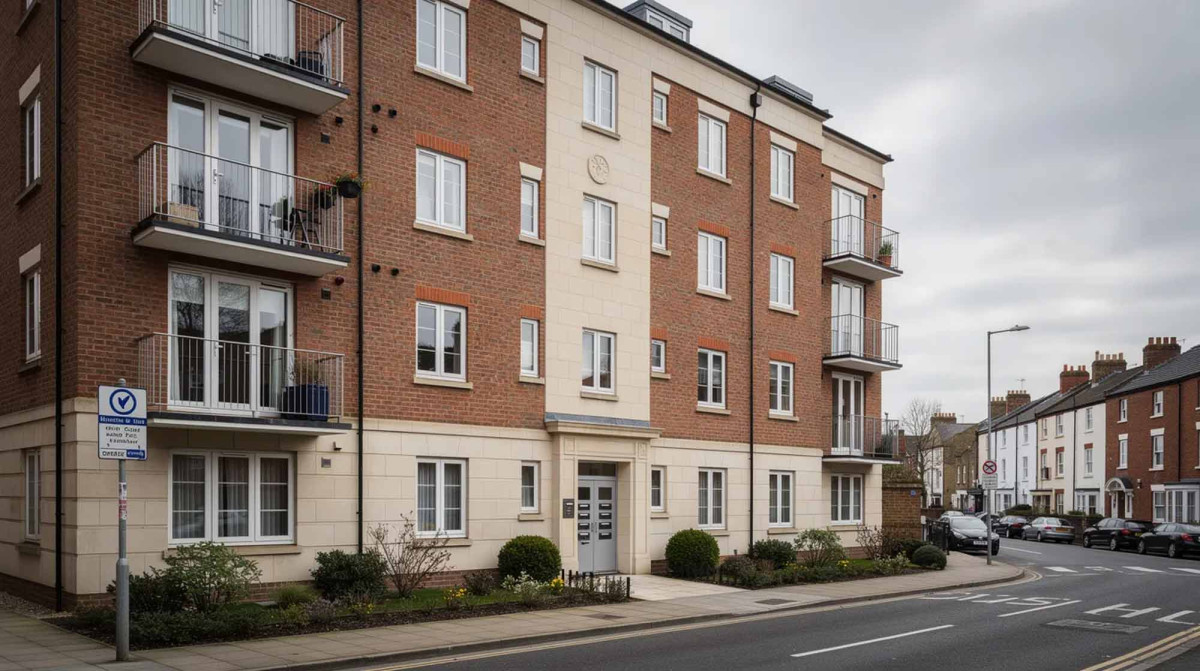
Ground Rents in the Uk Are On The Rise
As a specialist in Lease Extensions, I see the same trouble turning up on my doorstep every week – flat owners in England and Wales getting hit from two directions by rising ground rents and lease terms that are shrinking fast.
What used to be a relatively painless annual payment is now starting to look like a real problem for anyone trying to sell up or remortgage. I mean it can vary, but the average annual ground rent for a leasehold property in the UK tends to sit between £200 and £400. Problem is, that can go way higher depending on the lease.
Of course many people pay fairly modest sums, but others have got much higher or even ground rents that escalate over time – and that’s where things start to get really tricky when it comes to selling or getting a new mortgage.
The Uk government has announced plans to cap ground rents at £250 per year, which is meant to take some of the financial pressure off leaseholders and give them a bit more control over the place they live in. These changes could see existing ground rents capped at £250 per year for 40 years after which they go down to a peppercorn, or a nominal amount of £1 a year or less.
All of this is expected to kick in by late 2028 – although that’s a fair way off yet.
But the real question is, will your lease make it that far?
This article takes a look at how the relationship between your lease’s ground rent and its term determine its mortgageability and sellability over the next 5-10 years. Think of it like a curve that slopes downwards over time – and that curve drops a lot more steeply if you’ve got high or escalating ground rent hanging over you.
What Is Ground Rent Anyway, and How Is Leasehold Reform Changing It?
Ground rent is that regular payment that leaseholders make to the freeholder for the right to live on the land that their property sits on. It’s completely separate from the service charges that cover things like maintenance and insurance for the building.
The specific details on the ground rent – how much you pay, how often you pay it and how the cost will go up in the future – are all set out in the lease agreement. Usually leaseholders pay ground rent to the freeholder on an annual basis, unless the lease says otherwise.
Of course the rules surrounding ground rent in Scotland and Northern Ireland are different from those in England and Wales – and this article is only looking at the situation in England and Wales, where the majority of residential leasehold properties are found.
How ground rent has evolved:
- for a long time ground rents were very low, typically between £10-£50 a year
- in the 2010’s some builders started including ground rents of up to £1,000 per year (with some escalating to double every 5 or 10 years) in new leases which was really different from previous years and led to more intense scrutiny and – in the end – legislative changes like the Leasehold Reform (Ground Rent) Act which now stops ground rent terms on new leases being too out of control
- ground rent can be all over the place, with some leases specifying initial payments of as little as £10 per year – while others are a lot more burdensome and can double in a few years
- as of now the average ground rent in England and Wales tends to be around £304 (mean) with a median of around £120
Key reforms to stick in your head:
- back in June 2018 the government announced plans to sort out leasehold tenure, saying that new long leases would have zero ground rent and that’s exactly what ended up happening with the Leasehold Reform (Ground Rent) Act 2022
- the Leasehold Reform (Ground Rent) Act 2022 stopped new leases having ground rents above one peppercorn per year which was a pretty big deal for the leasehold system
- peppercorn ground rent is a nominal or symbolic amount that’s just there to tick a box and doesn’t impose a financial burden on leaseholders\
- the draft bill proposes capping ground rent on existing leases at £250, transitioning to peppercorn after 40 years
Despite these reforms making new leasehold flats a lot more secure, millions of older leases are still stuck with escalating ground rents and nasty doubling clauses.
Good, Bad and Very Bad Ground Rent Terms
Ground rent terms are now as important as the lease term itself when mortgage lenders are making an assessment of a property. A lease that passes one test but fails the other may still get rejected.
what counts as high ground rent?
An annual ground rent that exceeds 0.1% of a property’s value can make lenders nervous and make the property a lot harder to sell – which could have a huge impact on the property’s marketability. For a flat worth £300,000 that’s an annual ground rent of £300 or more. In a lot of regions outside London ground rents of £250 are already starting to look like a problem
understanding different types of ground rent:
- fixed ground rent is just what it sounds like – you pay the same amount every year and it doesn’t change over the term of the lease – which can be a big relief for leaseholders
- escalating ground rent increases over time (usually at set intervals or according to the lease agreement) which can lead to some pretty serious affordability issues for leaseholders* Double clausules represent the most concerning category of rent that doubles every 10, 15 or 25 years
Example of a double clausule that doubles over 50 years:
| Year | Ground Rent (starting £250, doubling every 15 years) |
|---|---|
| 0 | £250 |
| 15 | £500 |
| 30 | £1,000 |
| 45 | £2,000 |
| 60 | £4,000 |
If ground rent exceeds £250 outside London or £1,000 in London your lease is likely to be classified as an Assured Shorthold Tenancy under the Housing Act 1988. This lets the freeholder repossess the property in case of arrears with much less hassle.
If the leaseholder fails to pay ground rent on time it can cause all sorts of problems – including the lease being forfeit – allowing the landlord to repossess the property if the leaseholder has been behind on payments for more than three years or owes more than £350. Ignoring a formal demand for ground rent can also see the freeholder take legal action.
How lenders view each type:
- Fixed low ground rent (e.g. £50): Generally classed as low risk and acceptable
- Linked to the retail price index (RPI): Acceptable if review periods are long enough (10+ years)
- Double clausules: Often rejected if doubling will happen more often than every 20-25 years
Ground Rent can dramatically speed up the decline in value of your lease
Value decay is a simple concept, really – the less time left on your lease, the lower the capital value of your flat and your bargaining power. This value decay really starts to kick in when you drop below 80 years left on the lease.
The amount of ground rent you have to pay can have a massive impact on a property’s value; onerous ground rent terms can really knock its resale value and make it difficult to get a mortgage.
Getting to grips with the value curve:
Think of a graph with the years left on your lease on the horizontal axis and your flat’s market value on the vertical axis. For a lease with peppercorn rent, the graph drops gently over time. But if you have a lease with high or escalating ground rent, that curve drops off a cliff.
The 80-year marriage value threshold:
In England and Wales, once your lease drops below 80 years, something significant happens. Under the statutory lease extension process, you have to pay “marriage value” – effectively you and the freeholder split the rise in property value. This can add thousands to the cost of extending your lease.
Consider these 2 scenarios:
- Flat A: a £300,000 value, 95 years remaining, £100 fixed ground rent – mortgageable as you like, easy to sell
- Flat B: same flat, 74 years remaining, £350 ground rent that doubles every 25 years – many lenders will decline, buyers will haggle hard or walk away
The “ground rent scandal” has been getting a lot of press in England and Wales. Excessive ground rents have been described as “legalised extortion” by MP Peter Bottomley in 2016. Now leaseholders caught out by these terms are having real trouble selling their homes.
Double ground clausules can push the cost of a lease down faster than you think. Even a 90-year lease with onerous ground rent can behave like a 70-year lease to mortgage lenders.
Will Your Lease Still Be Mortgageable in 5 Years?
Mortgage lenders look at three things when assessing a lease: the years left, the current ground rent and how it escalates. A lease that’s acceptable today may fail in 5 years.
Typical lending thresholds:
- Minimum lease term on completion: 70-85 years (varies by lender)
- Ground rent must not exceed 0.1% of property value
- No doubling clausules that double more often than every 20-25 years
- RPI-linked increases are ok if review periods are long enough (10+ years)
- Ground rent must stay below assured tenancy thresholds
Research says that 78% of property professionals think that leasehold flats with escalating ground rents struggle to sell – even if they’re priced correctly. This impacts not just sales but remortgaging too.
Case examples:
Declined: a buyer applied for a mortgage on a flat with 82 years left and ground rent starting at £350, doubling every 10 years. The lender declined because the projected ground rent would breach thresholds within the mortgage term.
Approved: a leaseholder extended their lease from 76 to 166 years, reduced ground rent to a peppercorn and reapplied. The remortgaging went through without issue.
Your 5-year self-assessment checklist:
- What will your lease term be in 5 years? (just subtract 5 from the years left on your lease now)
- Will your ground rent have gone up by then?
- Does your ground rent already exceed, or will it exceed, £250 (or £1,000 in London)?
- Are there doubling clausules that will kick in within the next 10 years?
If any of these answers raise red flags, your lease might already be on a path to becoming unmortgageable.## When Rising Ground Rents Suddenly Make Lease Extensions a Priority
A Lease extension solicitor often spots cases where rising ground rents and a decreasing number of years combine to create an urgent situation. The costs of delay are substantial and really can mount up.
Under the Leasehold Reform, Housing and Urban Development Act 1993, any increase in ground rent will generally result in a more expensive statutory lease extension. The freeholders valuation of the lost ground rent income – both now and in the future – directly affects your bill.
Red flag combinations that demand your immediate attention:
- Ground rent already over £250 (or due to exceed £250 at the next review) – that’s a serious problem
- Lease term approaching 80 years with any form of escalating ground rent
- Existing doubling clauses, especially those that kick in every 10 or 15 years
- Ground rent arrears that could set off a chain of events ending in forfeiture
Timeline example:
| Time | Lease Position |
|---|---|
| Today | 82 years / £295 ground rent |
| 5 years | 77 years / £400+ (if escalation triggers) |
| 10 years | 72 years / potentially unmortgageable |
The proposed ground rent cap may not fully make up for the value lost if your lease drops too far before you act. It will certainly help the people who already own their leaseholds but it won’t restore years you’ve lost or undo the damage already done by escalation clauses.
How a Lease Extension can ‘Turn Back the Clock’ on Value
Statutory lease extensions can actually legally reduce ground rent to £0 and extend the lease term significantly – it’s a pretty major change. Under the current law in England and Wales, qualifying leaseholders can add 90 years to their existing term and reduce ground rent to a peppercorn – so, effectively zero.
The transformation:
- Before extension: 78 years remaining, £350 ground rent doubling every 25 years, a rapid value decline curve, and a limited number of potential buyers
- After extension: 168 years remaining, peppercorn rent, a flattened decay curve, full mortgageability restored, and saleability restored to what it should be
Even if future reforms change the exact extension rules, the core idea remains the same: snuff out the escalating ground rent and add years, and you generally get mortgageability back and saleability improvements.
Buyers and mortgage lenders usually regard a long peppercorn lease (170+ years at zero ground rent after extension) as being pretty much as valuable as a virtual freehold. That gives future homeowners confidence and protects your investment in the property market.
Real life example:
Alex in Manchester got his lease extended from 78 to 168 years and got rid of a £350 doubling clause. The flat became immediately mortgageable again and his estate agent reckons the asking price could be lifted by about 8% compared to similar flats with dodgy ground rent terms.
Calculating Lease Extension Costs with Ground Rent Problems
Calculating a lease extension is a bit of a specialist job – it’s a valuation exercise based on the law and case law, rather than just plugging numbers into an online calculator. This is particularly true when there’s escalating or doubling ground rent involved.
Things a surveyor will look at:
- Current lease length and what’s left on it
- The current amount of ground rent
- How the ground rent is going to change in the future (including doubling clauses and retail price index linkage)
- What price the property would sell for on the open market
- Whether marriage value comes into play (leases below 80 years)
- The yield rates on ground rent income
Illustrative comparison:
A lease with 85 years left and a modest ground rent that starts off at £250 but doubles every 25 years might add £3,000-£5,000 on to the premium, compared to an identical lease that has fixed ground rent of £50. The valuer will then need to model the future escalations and capitalise the freeholder’s lost income.
Even with a future statutory ground rent cap at £250, the impact of existing escalation patterns on today’s premium still needs fairly detailed modelling. The cost embedded in your lease now effectively influences valuations today.
A Lease extension solicitor will usually:
- Work with a specialist valuer to look at several different scenarios
- Help you decide whether to go ahead now or wait for upcoming legislation
- Advise on whether to use the statutory route or try and negotiate an informal deal
- Go over how proposed changes to ground rent terms could impact long-term value
- Make sure you don’t accept an informal offer that brings back escalating terms
Statutory vs Informal Lease Extensions and the Risks with Ground Rent
Using statutory lease extension rights in England and Wales:
- You’ve got to have owned the flat for at least 2 years
- You get a 90-year extension added to the unexpired term
- The ground rent reduces to peppercorn for the extended period
- The process includes some statutory protections for costs and terms
Informal (voluntary) lease extensions might offer:
- A shorter extension period
- A reduced but not extinguished ground rent
- ‘Modernised’ ground rent terms (e.g. switching from doubling to retail price index linked)
- A lower upfront premium, but often with hidden long-term costs
The risks with informal offers are pretty considerable. People often defer today’s premium in exchange for new escalating ground rent, which will create greater security concerns down the line, and make it difficult to sell when the time comes.
Statutory vs Informal Ground Rent Treatment:
- Statutory: The ground rent is essentially abolished and does not exist (peppercorn rent) for the entire extended term.
- Informal: The ground rent might just carry on as usual, be reduced, or get “modernised” with some new terms for hikes to come
Anything proposed that’s not statutory should be looked over by a seasoned Lease extension solicitor before you do anything. The fee might look ok now but unclear details could come back to bite you later on.
Ground Rent Cap, Peppercorn Rents and the Next 5 – 10 Years
The UK government are making it clear – they want to cap ground rents, drop to peppercorn, and get rid of the leasehold system altogether. The Commonhold Reform Bill is working on making this happen, setting up alternatives to leasehold for both new and existing places. So, existing homes and new developments are in the sights of this reform.
The government is also working on the Leasehold and Commonhold Reform Bill which includes measures to abolish the threat of losing your home due to non-payment of ground rent. This is all about giving leaseholders a stronger hand in sorting out their properties and greater security.
What the reforms wont sort out right now:
- Short leases, which are already down below 80 years
- Those already high premiums due to what was agreed in the contract
- Existing worries about assured tenancy risks until the thresholds get addressed
- Lender policies sticking to today’s lease terms not what the future holds
Capping ground rents may well lower some lease extension premiums, but it might also stop freeholders from being willing to renegotiate terms on the quiet. The finer details depend on how the final legislation shakes out and is rolled out. However, there’s also a chance proposed reforms like capping ground rents or getting rid of leasehold could get challenged in court. Particularly from stakeholders such as pension funds or investors. All of which could make a difference to timing or the effectiveness of these changes.
The 5 Year Reality:
For most folks out there, the key risks remain roughly the same: dropping below 80 years and being stuck with a ground rent that’s going up or has got some pretty nasty escalation clauses that scare off buyers and mortgage lenders. Don’t rely solely on future reforms to sort it all – take a closer look at your lease now.
Practical Next Steps: Is Your Lease Still Worth Extending?
Self-Assessment Checklist:
- How many years you’ve got left on your lease (especially if it’s under 90 years)
- What’s the current ground rent and when it next goes up
- Are there any doubling clauses or RPI-linked reviews set in at fixed intervals
- Whether you’re already at or heading for the £250/£1,000 thresholds
- Any late fees or ground rent arrears against you
These considerations also apply to shared ownership properties, which have got similar ground rent and leasehold complications. Ongoing reforms might impact these types of properties too.
When to Seek Advice
A preliminary valuation and review by a Lease extension solicitor is always a good idea even if you’re not ready to start making a claim just yet. Early advice helps you:
- Plan around that 80-year mark before marriage value kicks in
- Understand how the proposed reforms might affect your timing
- Avoid those informal deals that bring back in escalating ground rents
- Have a better handle on your property ownership situation
Getting a well-planned lease extension in early basically gives you a second chance, neutralising the ground rent and restoring long-term value. But hold off and you could be paying a lot more to get the same result.
The Homeowners Alliance and housing committee reports are always saying the same thing: get one done before your lease term becomes critical. Whether you’re looking to sell up, remortgage or just protect your investment, the time to have a closer look at that HM Land Registry title and lease agreement is now – not after all the legislation is set in stone. HM Land Registry are responsible for getting leasehold titles on there and documenting any lease extensions or changes, so getting your records up to date is pretty important.
Don’t wait for the leasehold reform bill to pass. Sort out your lease and ground rent terms now. The real impact on your property’s value for years to come very much depends on the decisions you make today.